
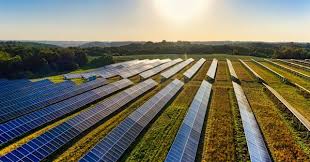
Sustainable Land Management (SLM) stands as a global imperative, encompassing a set of practices designed to safeguard soil health, conserve precious water resources, minimize environmental harm, and sustain the long-term productivity of land for agriculture, livestock rearing, and ecological balance. At the heart of successful SLM lies reliable and efficient water management—for water is the lifeblood that fuels soil fertility, crop growth, and ecosystem stability. Traditional water pumping systems, powered by diesel generators or grid electricity, often undermine SLM goals: they emit high carbon footprints, suffer from unstable operation, and consume energy in ways that deplete non-renewable resources and drive environmental degradation. In this context, solar water pump inverters have emerged as a transformative solution, bridging renewable energy adoption with sustainable land management to tackle the pressing crises of water scarcity and ecological decline.
To understand the pivotal role of solar water pump inverters in SLM, it is first essential to grasp their core functionality. A solar water pump inverter is a specialized electronic device that acts as the “central control brain” of a solar-powered water pumping system. Its primary function is to convert the direct current (DC) electricity generated by solar panels into alternating current (AC), which is required to drive water pumps efficiently. Unlike basic solar pumping setups that rely on simple power conversion, solar water pump inverters integrate intelligent control features that set them apart. They operate independently of non-renewable energy sources, harnessing the sun’s free, abundant, and clean energy to deliver water for irrigation, livestock hydration, and rural community water supply. What makes them indispensable for SLM is their ability to optimize energy use, stabilize system performance, and adapt to dynamic environmental conditions—all critical requirements for sustainable land care.
One of the most impactful ways solar water pump inverters advance SLM is by revolutionizing efficient water utilization, a cornerstone of responsible land management. Water scarcity is an escalating threat to global land productivity, particularly in arid and semi-arid regions where over-irrigation, inefficient water delivery, and reckless water use degrade soil quality, trigger salinization, and waste finite water resources. Solar water pump inverters address this challenge through the integration of Maximum Power Point Tracking (MPPT) technology, a game-changing feature that optimizes the conversion of solar energy into usable electrical power. Compared to non-MPPT systems, MPPT-equipped inverters boost water output by 25–35%, ensuring that every ray of sunlight translates into meaningful water delivery. Beyond energy optimization, these inverters dynamically adjust pump speed based on real-time sunlight intensity: during periods of weak sunlight (e.g., early morning, late afternoon, or cloudy days), the inverter reduces pump speed to maintain a steady water flow instead of shutting down the system entirely; during peak sunlight hours, it operates the pump at full capacity. This dynamic regulation ensures water is delivered in precise, crop-specific quantities, eliminating waste and preserving the soil’s natural moisture balance. In turn, this prevents soil erosion caused by over-irrigation and maintains healthy soil structure—vital for long-term land productivity.
Environmental sustainability, a non-negotiable principle of SLM, is significantly strengthened by the adoption of solar water pump inverters. Traditional diesel-powered pumps are major contributors to environmental harm: they emit high levels of carbon dioxide, nitrogen oxides, particulate matter, and other pollutants, driving climate change and air pollution that degrade land quality and disrupt ecosystems. In stark contrast, solar water pump inverters produce zero greenhouse gas emissions during operation, as they rely entirely on renewable solar energy—a clean, carbon-neutral power source. They also eliminate the need for diesel storage and transportation, which pose persistent risks of fuel spills that contaminate soil and groundwater, further damaging land ecosystems. By reducing reliance on fossil fuels, these inverters play a direct role in mitigating climate change, which in turn lessens the frequency of extreme weather events (such as severe droughts and destructive floods) that erode soil structure, disrupt crop growth, and undermine land productivity. For SLM, this means a dual benefit: reduced environmental impact and enhanced resilience of land ecosystems to climate shocks.
The reliability and adaptability of solar water pump inverters make them particularly well-suited for remote and rural areas, where sustainable land management efforts are often most challenged. Many agricultural and pastoral lands across the globe lack access to stable grid power, forcing local communities to rely on expensive, unpredictable diesel pumps that require frequent refueling and maintenance. Solar water pump inverters free communities from this dependency, operating independently of the grid and making them ideal for remote locations. Their intelligent control features—including automatic start/stop based on sunlight intensity, real-time system status monitoring, and built-in protections against dry running, overload, and overheating—minimize the need for manual intervention, ensuring consistent water supply even in harsh outdoor conditions. This reliability is critical for sustaining agricultural and pastoral activities in remote areas, where access to water is the lifeline of local livelihoods. Furthermore, most modern solar water pump inverters offer hybrid flexibility, allowing integration with grid power, diesel generators, or energy storage systems (e.g., batteries). This hybrid capability ensures year-round water supply stability, even during extended periods of low sunlight or adverse weather, making them a versatile solution for diverse land management needs.
From an economic perspective, solar water pump inverters align seamlessly with SLM principles by reducing long-term operational costs and improving return on investment (ROI). While the initial installation cost of a solar pumping system with an inverter may be higher than that of a diesel pump, solar systems have near-zero operational costs over their lifespan: they eliminate recurring expenses for diesel fuel, which often sees volatile price fluctuations, and drastically reduce maintenance needs. Unlike diesel pumps, which require regular servicing, frequent part replacements, and continuous fuel refills, solar water pump inverters have a long operational lifespan (often 10–15 years or more) and minimal maintenance requirements, as they lack moving parts prone to wear and tear. This cost-effectiveness makes sustainable land management accessible to small-scale farmers and rural communities, who often face financial barriers to adopting green technologies. Over time, the savings from eliminated fuel costs and reduced maintenance offset the initial investment, creating a win-win scenario for land stewards and the environment alike. For smallholder farmers, in particular, this translates into increased profitability and financial stability, enabling them to invest in other sustainable land care practices.
When selecting a solar water pump inverter for sustainable land management, several key features must be prioritized to ensure optimal performance and long-term value. High-performance vector control is essential for deep-well pumping and large-scale agricultural irrigation, as it maintains stable torque output and ensures smooth motor acceleration—even in high-head, high-pressure conditions that demand reliable pump operation. A dedicated, high-efficiency MPPT design is non-negotiable, especially in regions with variable sunlight (e.g., areas with frequent cloud cover or seasonal weather changes), as it maximizes solar energy utilization and system efficiency. Comprehensive protection features—including safeguards against dry running, electrical overload, voltage fluctuations, and overheating—are critical to extending the lifespan of both the inverter and the water pump, reducing downtime and maintenance costs. Additionally, compatibility with multiple pump types (e.g., submersible, surface, and centrifugal pumps) and flexible power source integration enhance the system’s adaptability, allowing it to cater to diverse land management needs, from small-scale greenhouse irrigation to large-scale commercial agriculture.
In conclusion, solar water pump inverters are far more than a technological innovation—they are a vital tool for advancing the goals of Sustainable Land Management worldwide. By enabling efficient water utilization, delivering zero-emission operation, ensuring reliability in remote and challenging environments, and providing long-term economic benefits, they address the core challenges of modern land stewardship. As the global focus on sustainability intensifies and the impacts of climate change become more pronounced, adopting solar water pump inverters is not merely an environmentally responsible choice; it is a practical, forward-thinking investment in the future of land productivity, soil health, and water conservation. For farmers, rural communities, land managers, and policymakers alike, these devices offer a tangible pathway to balance agricultural productivity with environmental responsibility, ensuring that our planet’s land remains healthy, productive, and resilient for generations to come.